
#TogetherWeCare: A Museum for Everyone — the first educational course on inclusive practices in museums launches in Ukraine
26/02/2026
On Thursday, 26 February, the National Museum of the History of Ukraine hosted a public discussion that concluded the EU Delegation to Ukraine’s #TogetherWeCare communication campaign. The campaign highlighted how the European Union supports the development of an inclusive society of equal opportunities in Ukraine, where everyone can live with dignity and fulfil their potential.
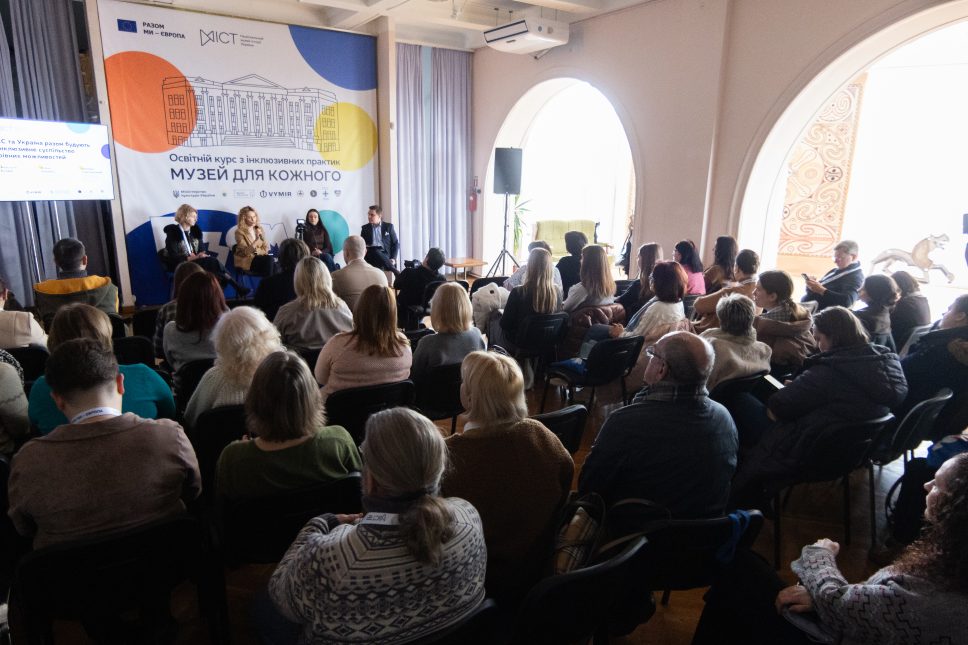
Public event “#TogetherWeCare: A Museum for Everyone”
“The #TogetherWeCare communication campaign has, over the past three months, shared inspiring stories about how the EU is helping to build a socially caring society and to advance inclusion in Ukraine. After all, the European values of human empathy and dignity are fundamental to Ukraine’s accession to the European Union,” said Marianna Kaminska, Communications Coordinator at the EU Delegation to Ukraine, opening the event.
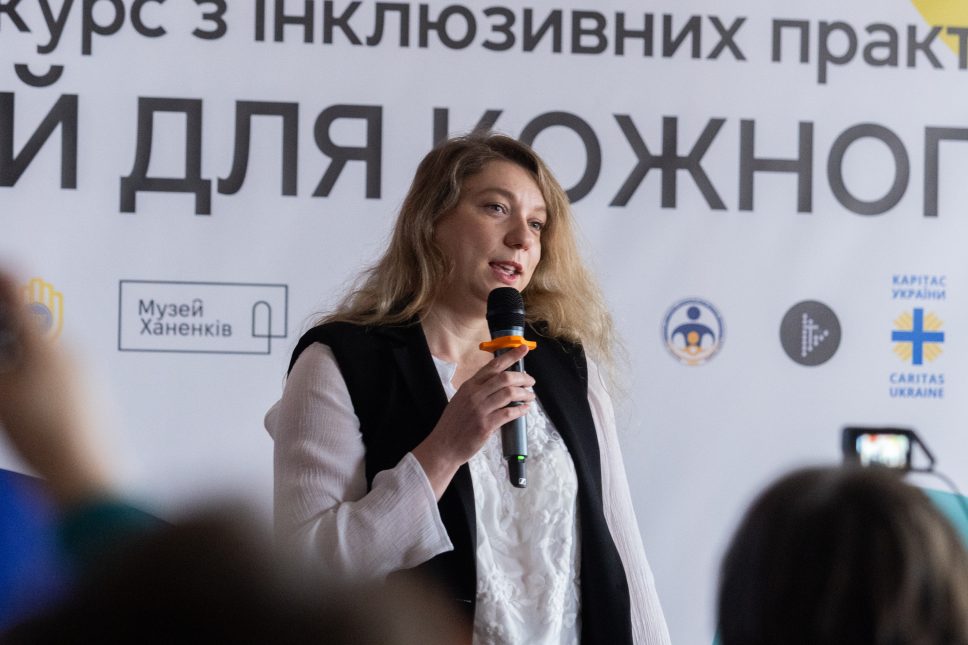
Marianna Kaminska, Communications Coordinator at the EU Delegation to Ukraine
Anastasiia Bondar, Deputy Minister of Culture for Digital Development, Digital Transformations and Digitalisation, also highlighted the role of European partners in supporting Ukrainian culture: “European partners understand that the cause of this war is not only the desire to seize territory, but also an attack on our history, culture, and identity. And this is reflected in their support. We see a high number of initiatives, including within Creative Europe and House of Europe, that contribute to the development of the cultural sector. And I am especially pleased that many of them support digitalisation. After all, today the digitisation of collections is not some kind of whim, but our duty to preserve cultural heritage and make it more accessible to people.”
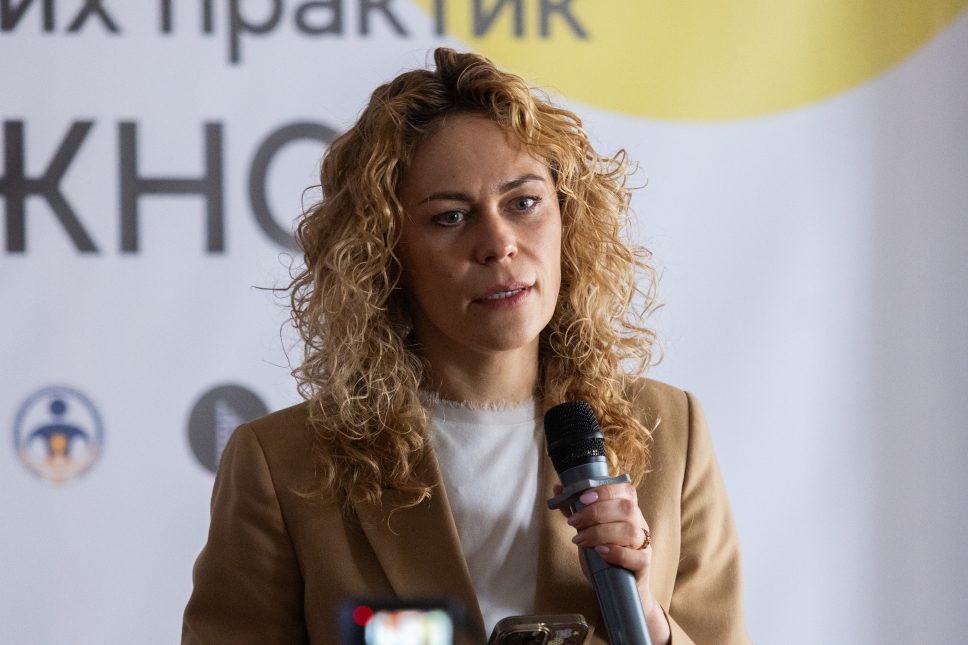
Anastasiia Bondar, Deputy Minister of Culture for Digital Development, Digital Transformations and Digitalisation
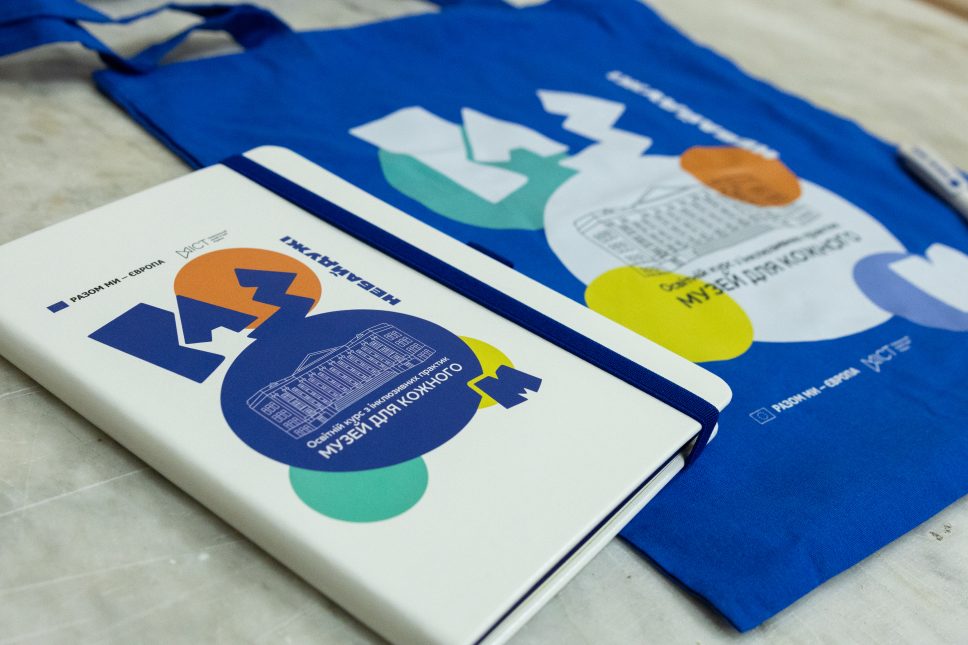
During the event, the museum team presented a first-of-its-kind educational course on inclusive practices, “A Museum for Everyone.” The initiative was developed for museum professionals, guides, educators, activists, cultural managers, and everyone who works with people and wants to better understand the needs of diverse audiences.“This course is an important step in implementing the museum’s strategy to develop as an open and accessible space. We view inclusion as a comprehensive process encompassing organisational approaches, team professional training, and the quality of interaction with visitors. It is precisely such programmes that make it possible to shape a modern museum oriented towards the needs of different social groups and the principles of a barrier-free environment,” emphasised Olena Zemliana, Director General of the National Museum of the History of Ukraine.
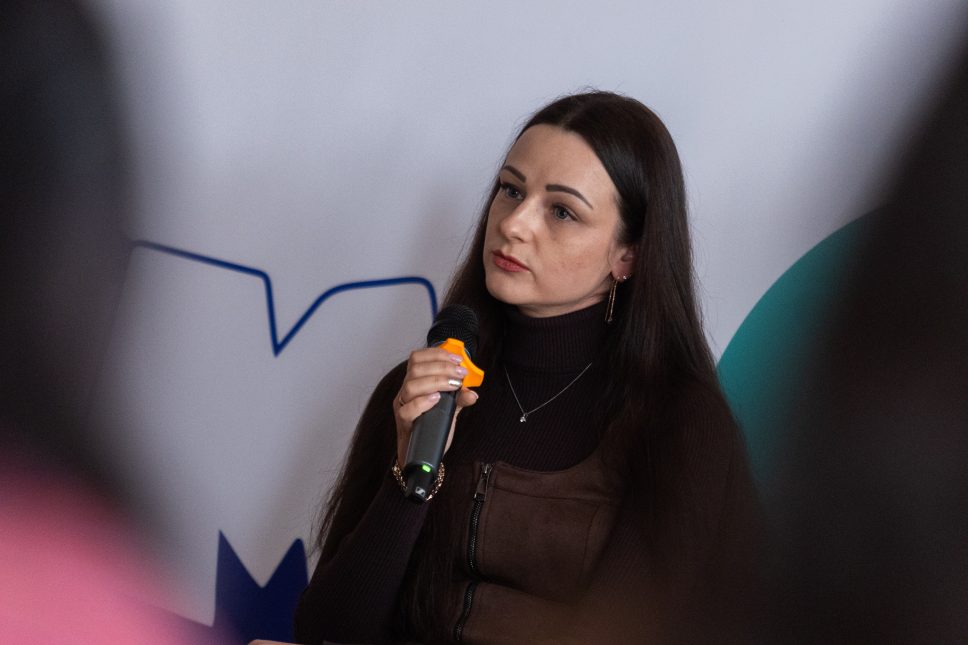
Olena Zemliana, Director General of the National Museum of the History of Ukraine
The study will run until 24 April. During this time, the selected participants will attend 11 lectures dedicated to inclusion. There, they will learn how to interact appropriately with people with intellectual disabilities, make cultural institutions more accessible to people with visual impairments and other groups with limited mobility, use the museum space to support the integration of people with mental disorders, and acquire basic sign language skills, among other topics.
Academics, psychologists, and practitioners in accessibility and inclusion will teach the course. Among the 12 lecturers are Mykhailo Bakaliuk, Head of the Social Support for Veterans programme at the NGO Protez Hub and a veteran of the Russian-Ukrainian war; Tetiana Kryvko, First Deputy Head of the Ukrainian Society of the Deaf; Iryna Maksymenko, Head of the Psychosocial Support programme at Caritas Ukraine; and Antonyi Kovshar, orientation and mobility instructor at the NGO Trinity Hub.
“We are a history museum with a collection of over 800,000 artefacts. And my big dream is for our museum to be truly accessible to everyone, including people with disabilities, children, and those who have experienced trauma, and for the team to have enough knowledge and tools to communicate with all these audiences in a respectful and ethical way,” concluded Svitlana Slastennikova, coordinator of the “Museum for Everyone” project.
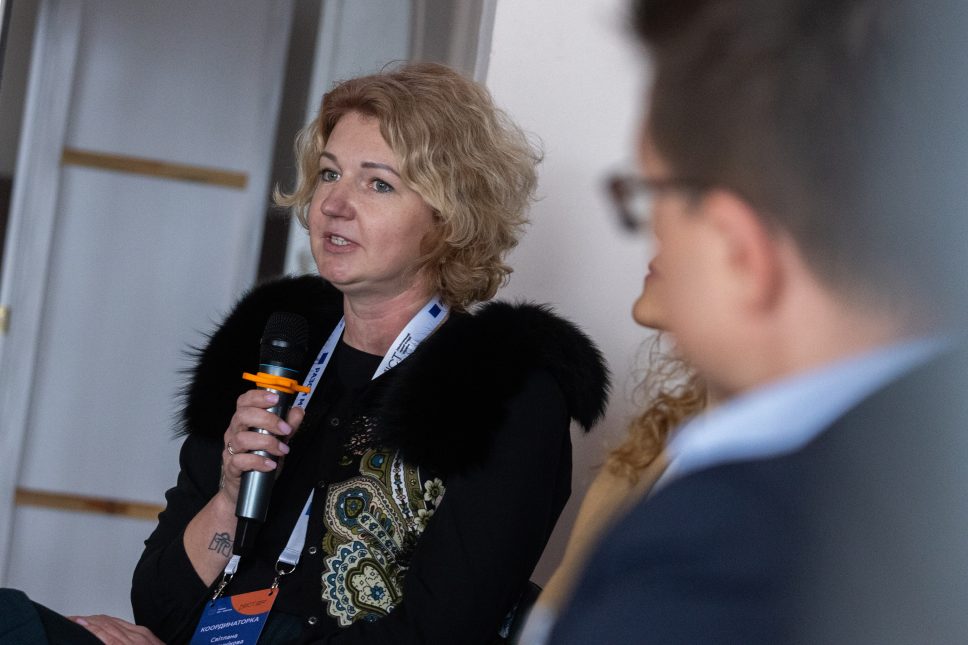
Svitlana Slastennikova, coordinator of the “Museum for Everyone” project