
Municipal partnerships are an effective tool for Ukraine’s European integration. This is confirmed by four stories about best practices that Ukrainian communities have adopted from their partners. The cases were shared by representatives of Germany, Latvia, Romania, and Ukraine at the conference of German-Ukrainian municipal partnerships, organized by SKEW (Engagement Global).
The discussion “European Integration at the Local Level: From Understanding the Processes to Real Change” focused on the practical dimension of European integration. It was co-organized by the Cities4Cities initiative as part of the Polaris Programme “Supporting Multi-Level Governance in Ukraine.”
Integrity that helps with reconstruction
Nikopol, in Dnipropetrovsk Oblast, is only 3 km from the front line. Even so, since 2018 the city has been part of the EUACI “Integrity Cities” initiative, under which an Integrity Plan was developed based on the experience of European cities. It includes digitalization, transparent procedures to prevent conflicts of interest, an internal control system, and integrity training for employees.
During the war, European tools have become an opportunity for recovery. In particular, a geospatial data system is used to document destruction and plan the reconstruction process, and residents can continue to receive services online.
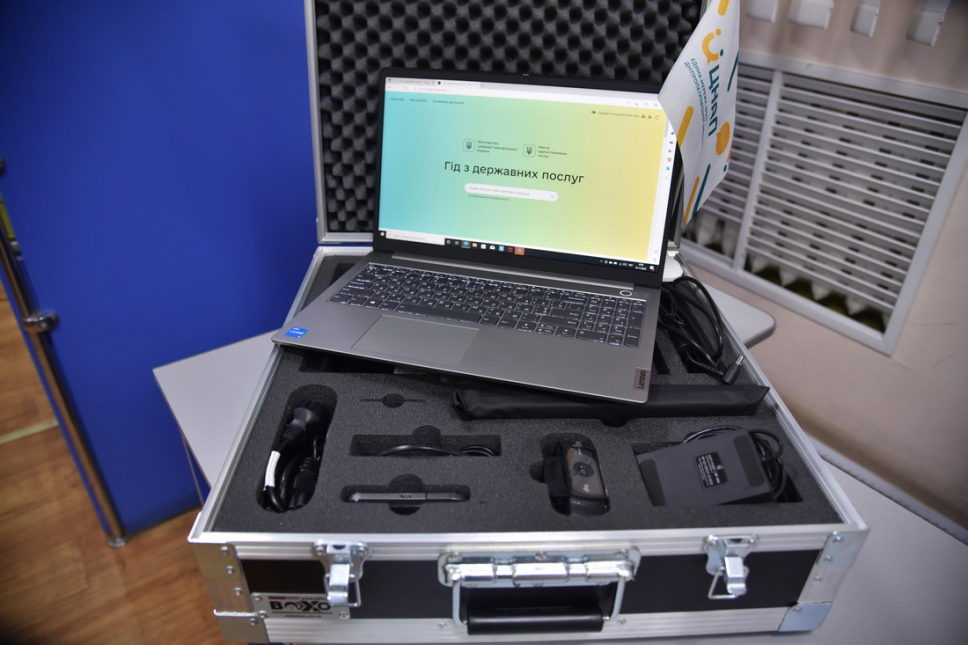
“War may change our priorities, but reforms must continue even during war. We need not only resources, but also expertise,” says Serhii Doroshenko, Head of the International Relations Department of the Nikopol City Council.
Ensuring equal rights for citizens in the process of European integration is one of the key tasks of local self-government under Chapter 23 of the EU acquis.
Strategic development
The Romanian city of Oradea is not a major industrial centre. Even so, this city on the border with Hungary has made use of the opportunities of European integration better than almost any other in the country. This is thanks to early preparation for working with EU structural funds. Today, Romania is glad to share its experience with Ukrainian partners.
“Capacity building is the most important aspect of European integration, not just investment and construction. Oradea has changed significantly since joining the EU. This is mostly thanks to access to knowledge through ‘soft’ projects under Interreg and other European programmes. Over 20 years of experience, we have come a long way thanks to European integration. The EU is about opportunities. Today, our main square is car-free, many public spaces have been transformed with EU support, and our historical heritage in the unique Art Nouveau style has been preserved,” says Sebastian Bonis, representative of the Oradea Metropolitan Area.
Oradea officials note that the main ingredient of successful transformations is vision:
“It is very hard for Ukraine to have a long-term vision for 10 to 50 years in conditions of survival. At the same time, there can be a situation where you have a lot of resources but no vision. Then all the resources are useless. European bureaucracy is complex, but in the end it allows Europeans to have the level of living standards and services that Ukraine is striving for today.”
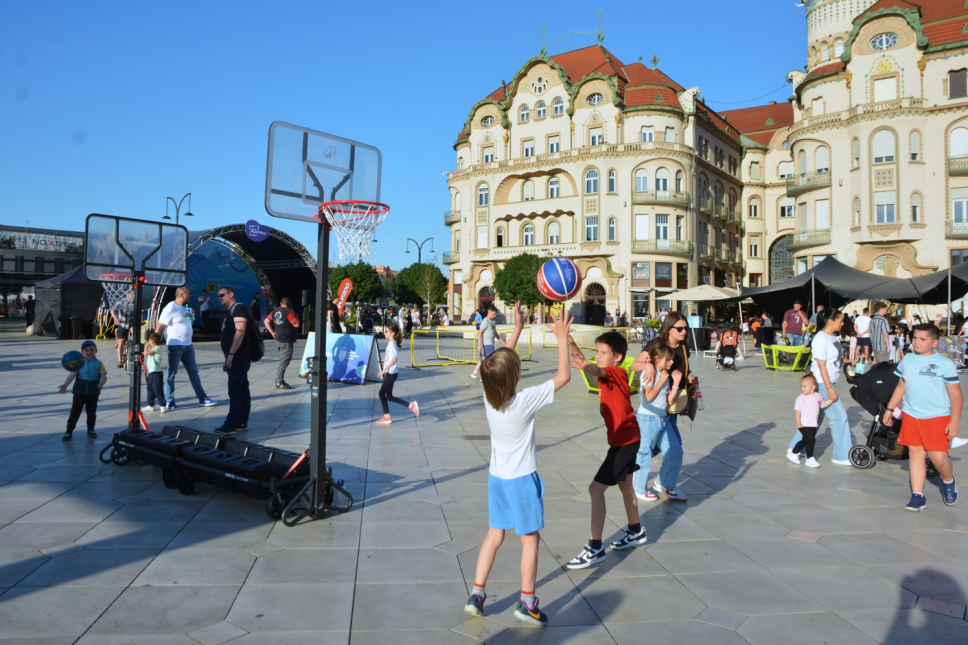
As part of preparing Ukrainian communities to work with structural funds, they can study the experience of project planning and preparation, as well as the creation of an internal audit system and procurement in line with European standards.
Green Transformations
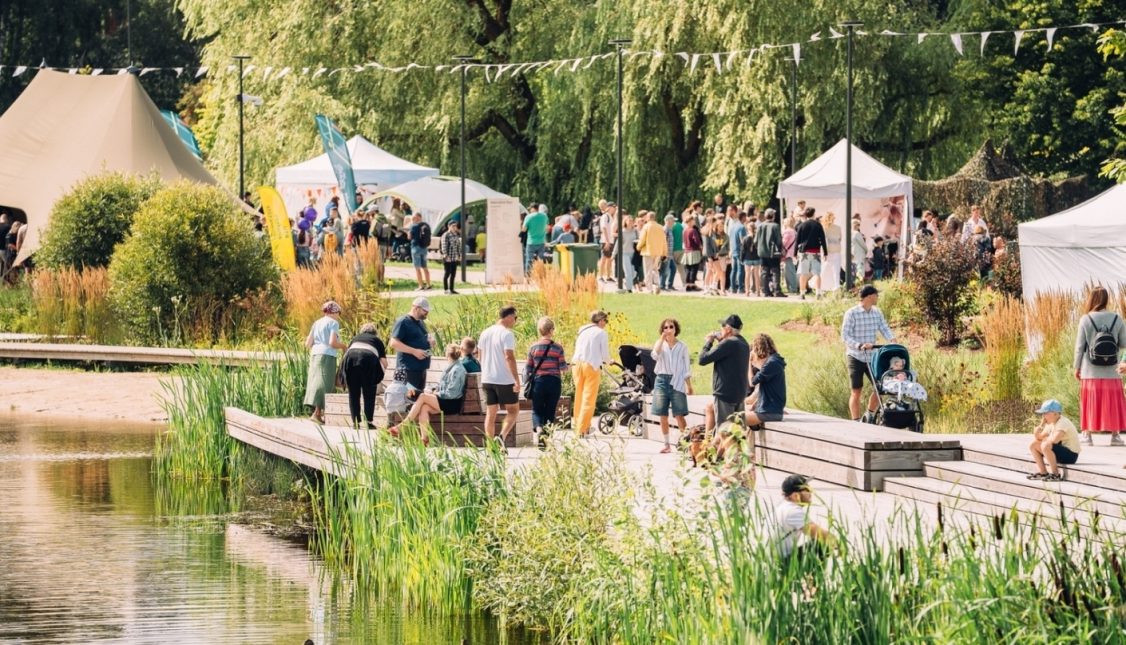
During its EU membership, Latvia has made a quantum leap in sustainable development and green transformations. The EU candidacy period was perhaps the most important, because it was then that communities built capacity and vision and carried out small projects in the area of green transformations.
“Environmental transformations cannot be the responsibility of the environmental department alone. This is teamwork at all levels, including the involvement of residents,” says Jānis Lange, City Manager of Riga, Latvia.
He adds: “Latvia’s experience is not only about access to funding; it is about building a system that makes it possible to take advantage of the opportunities of European integration. Today, the question is not how to find a programme. Funding should come after the idea. You need to know what you need, not the other way around. You need to have projects before the financial instruments are available. Project preparation takes from one month for ‘soft’ projects to several years for infrastructure projects. Strategic management must be transformed into a financial instrument.“
Energy Efficiency
The German town of Gudensberg has been actively cooperating for many years with Shchyrets in Lviv Oblast, helping its Ukrainian partners introduce energy-efficient solutions in the community. During the partnership, the German twin town secured German government grants under programs implemented by SKEW (Engagement Global). With them, it helped modernise a school attended by 600 children, the local hospital, and a social services centre.
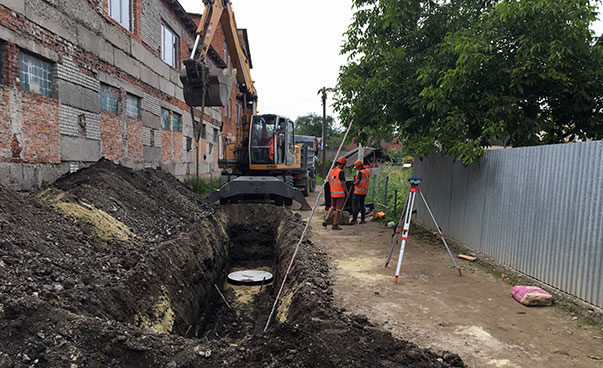
“We currently have different building codes, but we can see that it is already possible to cooperate and introduce European standards in Ukraine. After the modernization, the energy benefit for the community is a 43% reduction in the energy resources used for gas heating,” shares Dr. Eberhard Kettlitz, representative of the town of Gudensberg.
He adds: “EU standards should be implemented in Ukraine as soon as possible, because they bring major economic benefits. Also, there will be no need to translate from one building code to another during municipal cooperation. Of course, Ukraine is at war now and does not have many resources for development. When our partners ask for our expert opinion on a particular building, we often feel like saying that it would be easier to demolish it and build a new one. But in Ukrainian realities this is not always possible, so we do what is possible here and now to help our partners.”
Ukraine has a great deal to do in many areas, but communities also have the task of showing citizens what the EU is and what the benefits of membership are.
“Even in Germany, which has long been an EU member, people do not fully understand this, so it is important to work with people,” concludes Eberhard Kettlitz.
Source: Decentralization.ua