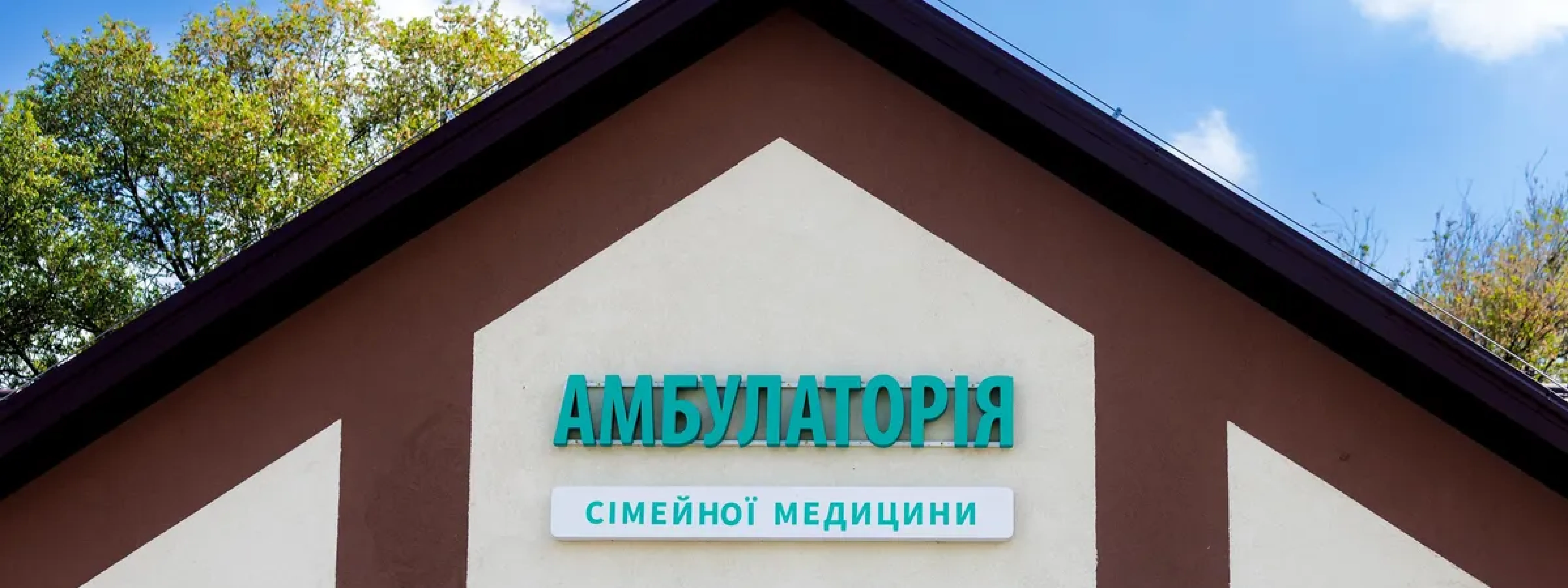
For residents of small communities, access to quality medical care often means long journeys to large cities, and the time lost can be decisive. Thanks to support from the European Investment Bank (EIB) — the bank of the European Union (EU) — a modern outpatient clinic has opened in Oleksandrivka, allowing most necessary medical services to be received close to home.
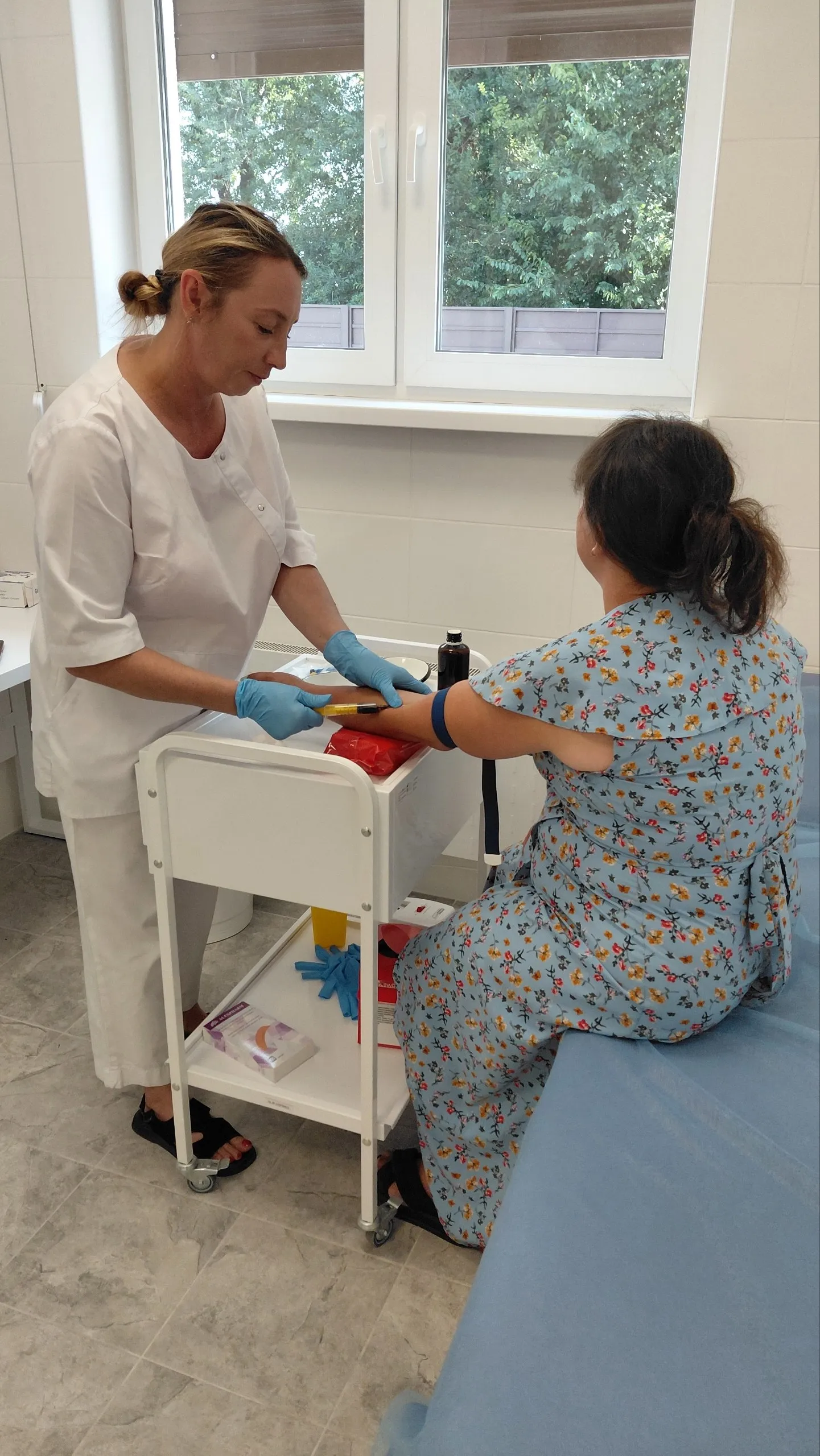
Aliona Mashentseva has worked at the family medicine outpatient clinic in Oleksandrivka, Dnipropetrovsk Oblast, since 2005. The medical facility provides care to more than 3,000 residents of the village and the surrounding community. However, until recently, patients had to travel more than 20 kilometres to another medical facility to undergo examinations and receive a diagnosis. There were no conditions for carrying out laboratory tests in the village.
“We did not have the necessary equipment, so patients had to take two minibuses to Slobozhanske hospital to receive basic care. On top of that, the difficult conditions of today are also having a negative impact on public transport,” Aliona explains.
For more than 20 years, the outpatient clinic had no premises of its own. According to Aliona, the staff had to work in various conditions.
“We rented premises, moved multiple times, carried out repairs ourselves, and worked in the cold, as we did not even have heating,” the nurse recalls.
In May 2026, the situation changed — a new outpatient clinic opened in Oleksandrivka, the construction of which cost €718,000, of which around €566,000 was financed under the Ukraine Recovery Programme, with the remainder covered by the local budget.
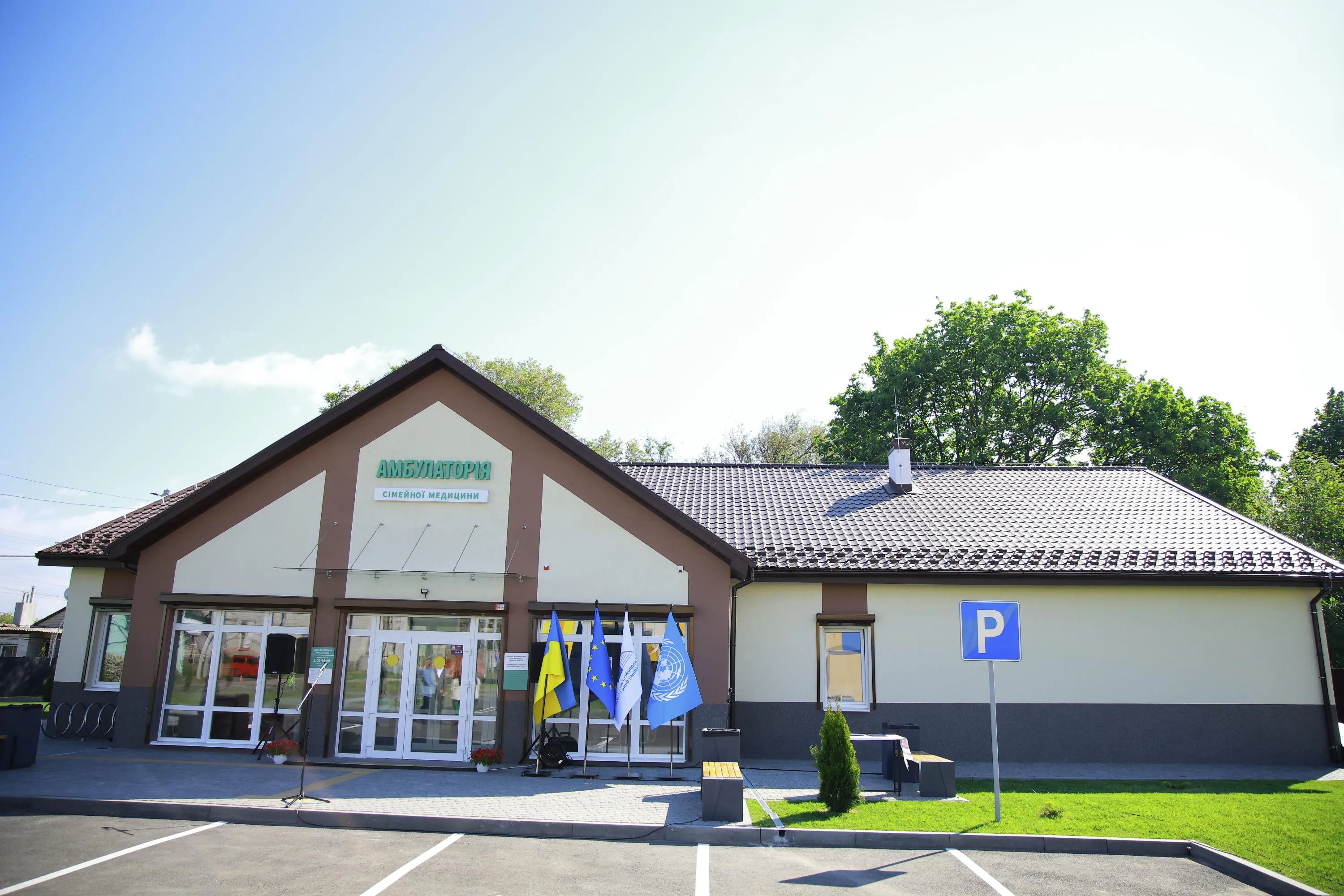
The new outpatient clinic is equipped with consultation rooms, medical equipment, and sanitary facilities. All of this eases the work of staff and improves the quality of medical services.
“We can carry out examinations, take samples, and establish the correct diagnosis in a timely manner, based on test results,” the nurse explains.
Aliona recounts that previously it was not possible to carry out even the most basic tests. Now there are haematology analysers, blood and urine analysers. The new clinic has an electrocardiograph and troponin tests, which allow myocardial infarction to be confirmed or ruled out on the spot, when every minute counts for saving a life.
The clinic also has glucometers, cholesterol measuring devices, and a plantograph for diagnosing foot deformities. Patients can seek help for vision or blood pressure problems, and can also have a suspected case of glaucoma checked.
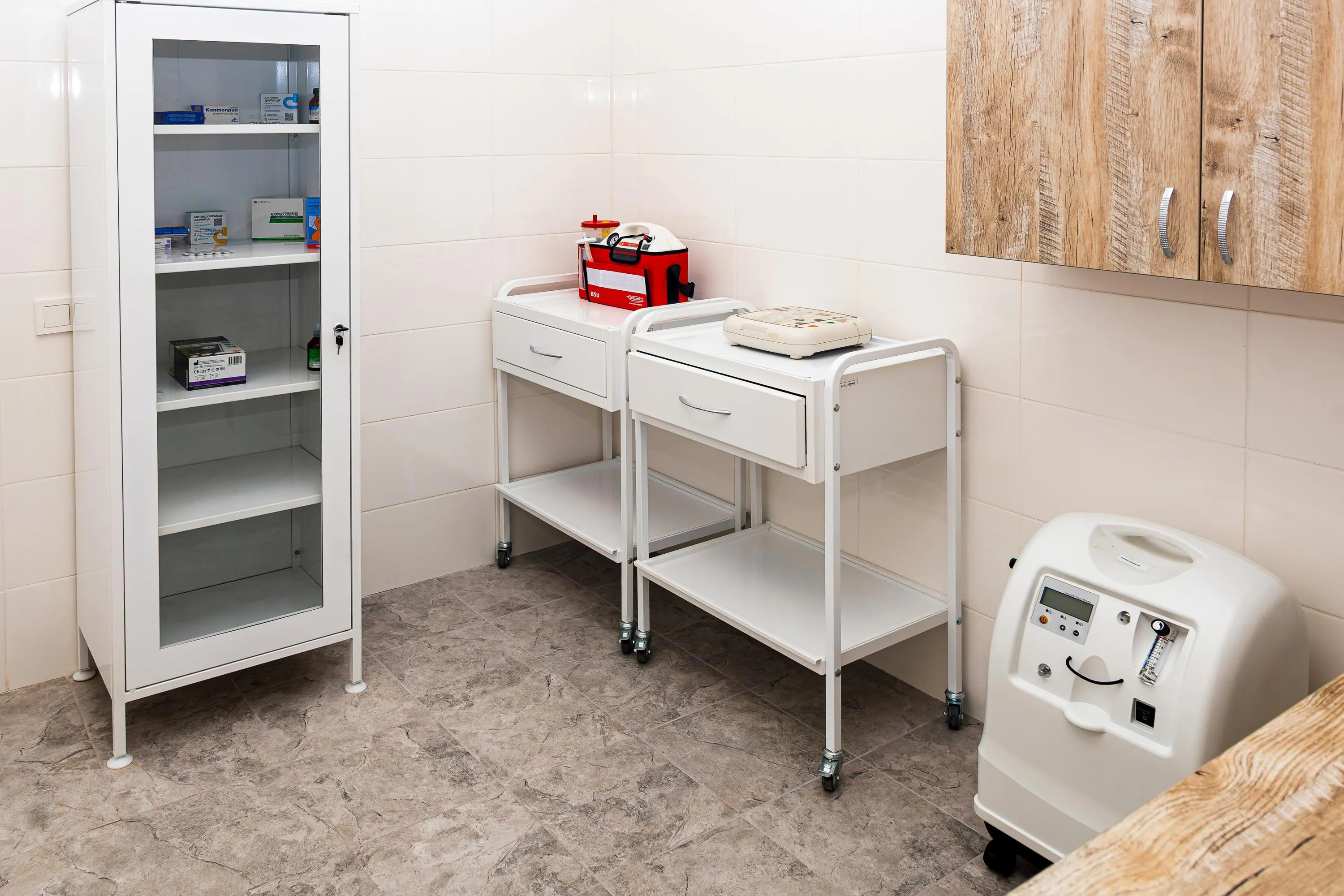
“We have everything for emergency medicine: a defibrillator, an oxygen concentrator for continuous oxygen supply to patients, tourniquets, emergency medicines, and dressing materials,” the nurse lists.
The new outpatient clinic has also made working conditions more comfortable for staff.
“We have very cosy, warm, and comfortable rooms. For example, my room is connected to the vaccination room. This is very convenient for parents with young children, as after seeing the doctor they do not need to make their way through a queue of people with a child to reach the vaccination room,” the nurse notes.
Aliona says that since the new clinic opened, patients have been seeking help more frequently, knowing that they will receive quality medical services while saving the time they previously spent travelling.
The new clinic was built according to barrier-free principles, making the facility more accessible to all community residents.
“I have a patient who was caught in shelling, lost his sight, and sustained a leg injury. He gets around on crutches. In the old clinic it was difficult for him even to enter, and inside — given that he had lost his sight — he would trip over the thresholds,” Aliona recounts.
The new building has an accessible entrance free of obstacles, wide doorways, tactile signage, and tactile paving.
“When he came to us at the new clinic, he was delighted. And we, as staff, were overjoyed for him with all our hearts,” Aliona adds.
The building has a separate exit to a shelter, allowing for rapid evacuation during air raid alerts.
Aliona is convinced that the new clinic has an impact on the community’s future. The village is receiving internally displaced persons and people with disabilities, all of whom need quality medical care.
“For people, this is an opportunity to receive timely care close to home, without spending hours travelling to the city. For an elderly person, a mother with a young child, or a patient with a chronic condition, this can be decisive. Everyone needs access to medical care. After all, the health of people is the health of the nation,” Aliona concludes.
The construction of the clinic took place under the Ukraine Recovery Programme — one of three joint EU and EIB initiatives with a total budget of €740 million, supporting communities in rebuilding social infrastructure. The programme is being implemented jointly with the Ministry of Restoration, Infrastructure and Transport, the Ministry of Finance of Ukraine, and local authorities, with technical support from the United Nations Development Programme (UNDP).
Overall, the programmes cover more than 500 social infrastructure facilities — schools and kindergartens, hospitals, rehabilitation centres, water supply and sewerage systems, centralised heating, and social housing — in more than 300 communities across Ukraine.
This article was produced with the financial support of the European Union. Its contents are the sole responsibility of the Ukraine Recovery Programme and do not necessarily reflect the position of the European Union.
Author: Dasha Ptakhovska
Source: Channel 24